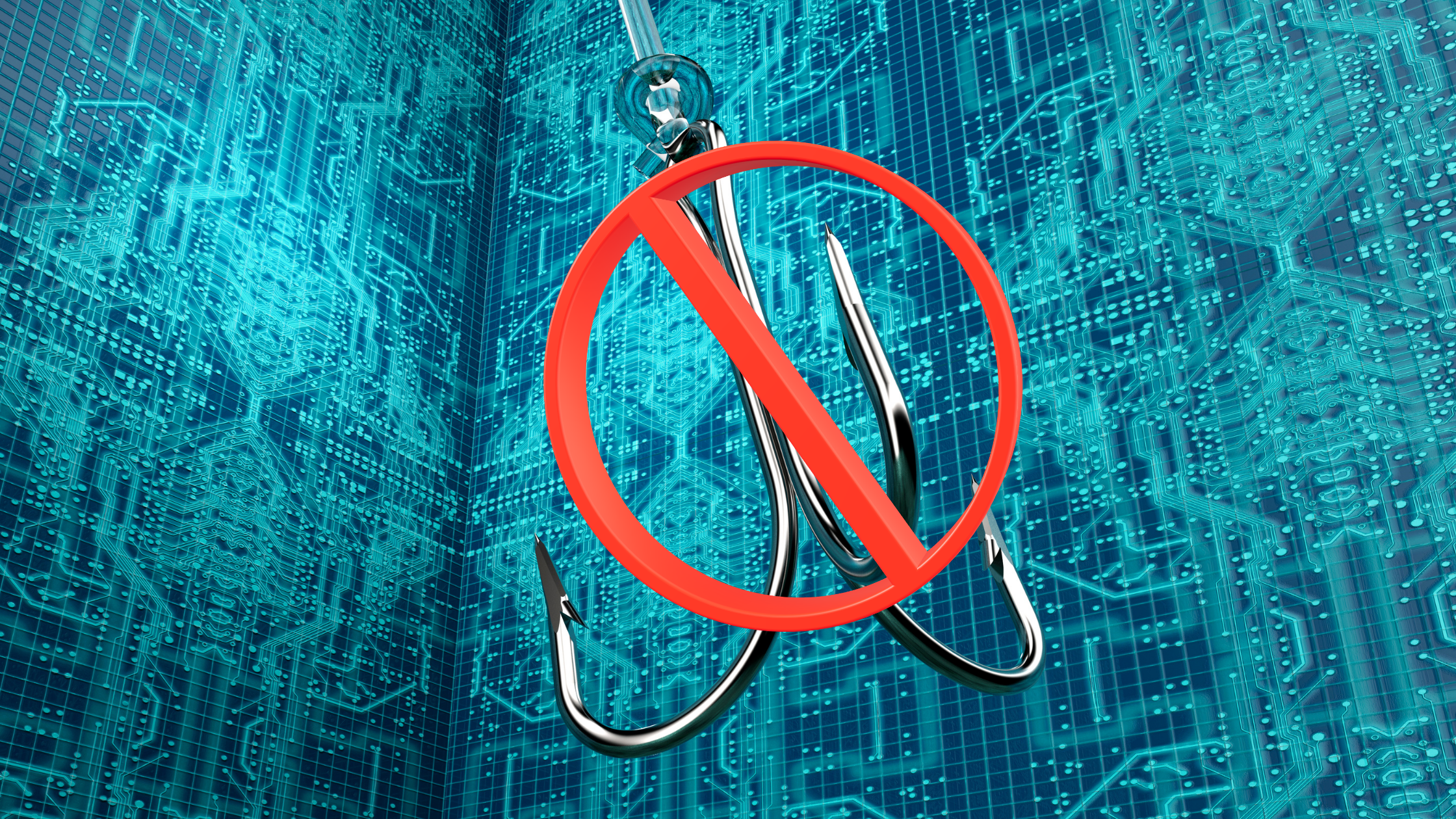
The phishing emails your team will receive tomorrow have already been written by AI. And those phishing emails will have no misspelled domains and no malicious attachments. They will be perfectly written CFO-to-controller requests, referencing real vendors, real invoices, and real project timelines.
This is the new benchmark for phishing emails. They will be generated in five minutes by an LLM trained on the target’s public footprint, and they will cost your clients hundreds of thousands of dollars.
The FBI’s 2024 Internet Crime Report logged 193,407 phishing complaints – the highest number of reported cybercrimes in America for the second year running, and BEC drove $2.77 billion in losses across 21,442 incidents – over 17% of all cybercrime damages.
What changed in 2025–2026 is not volume but production cost. AI-generated content now comprises 82.6% of phishing emails, and Microsoft’s Cyber Signals 2025 logged a 46% year-over-year rise. The gateway and annual training video your stack was built around were designed for an attacker economy that no longer exists.
Thwart BEC Attacks with the PCS 4-Step Action Plan
Step 1 — Run a 30-Day Email Risk Baseline
You must understand and map your risk by identifying:
- Sender-recipient history. Who emails whom, how often, and in what tone?
- VIP cadence. What are typical send times, devices, and threat patterns?
- Financial choke points. Determine which mailboxes initiate, approve, and execute payments.
- Gateway gaps: Track quarantine release rates, false positives, and 90-day post-delivery click rates.
- DMARC posture. Verify domains at p=reject, not p=none.
Step 2 — Layer Behavioral Email Security on the Existing Gateway
Keep your gateways for SPF, DKIM, DMARC and known-bad blocking; then, layer an API-based behavioral platform on Microsoft 365 or Google Workspace. A modern engine scores language patterns, sender cadence, and relationship context, not message content. AI-generated BEC is crafted to appear flawless; the only irregularity is a deviation from normal behavior.
Step 3 — Replace Annual Training with Continuous, AI-Personalized Simulations
An annual compliance video is a liability disguised as a control. Behavior-based training delivers a 50% reduction in actual incidents over 12 months versus single-digit gains from static programs.
Build around four components:
- Monthly AI-generated simulations matched to current threat intel
- Role-based difficulty (vendor-impersonation for finance, MFA-fatigue for engineering)
- Just-in-time micro-training under 90 seconds at the moment of click
- Per-user risk score in the monthly report
Step 4 — Harden Identity and Financial Workflow Underneath the Inbox
Email is the delivery mechanism. The real damage occurs when identities are compromised and payments are affected.
Identity: Enable phishing-resistant MFA (FIDO2 or passkeys) for VIPs and finance, conditional access blocking legacy auth, monitoring for malicious mailbox rules, and quarterly OAuth consent reviews.
Financial workflow: Require verification beyond email for any wire change or new vendor, dual approval above a defined threshold, and a vendor master file that flags banking-detail changes regardless of source.
These controls are not glamorous, but they are the ones that turn a successful phishing attempt, potentially resulting in a six-figure loss, into a contained incident.
Work With Precise Cyber Solutions
Protecting your business from modern, AI-generated phishing campaigns is more complex than ever. PCS offers behavioral email security, continuous training, and BEC incident response services and fractional CISO support for small and midsize businesses, attorneys, healthcare companies, and cyber insurance brokers.